Maximizing Teamwork and Engagement through Efficient Remote Meeting Systems in Conference Rooms
Wiki Article
Telepresence platforms have changed the way companies hold meetings and collaborative sessions. Modern solutions permit team members to interact clearly across multiple offices, closing geographical limitations that previously limited team interactions. Superior sound and video capabilities ensures that discussions are not only perceived but also graphically contextualized, which assists teams maintain concentration and involvement. By integrating these solutions into meeting spaces, companies can replicate in-person experiences, allowing virtual teamwork more effective. Additionally, solutions frequently provide capabilities such as content sharing, document annotation, and interactive boards, which boost the capacity to develop complex projects in live.
The layout of a conference room assumes a critical function in the effectiveness of telepresence solutions. Effective illumination, sound quality, and layout of seats contribute to a more engaging virtual experience. For illustration, uniform lighting reduces visual distortion and improves camera clarity, while audio optimization limit noise and background noise, enhancing sound clarity. Ergonomic seating and well-organized layouts allow team members to remain comfortable during prolonged discussions. These design factors, combined with modern telepresence equipment, build a setting that supports full engagement and sustained focus.
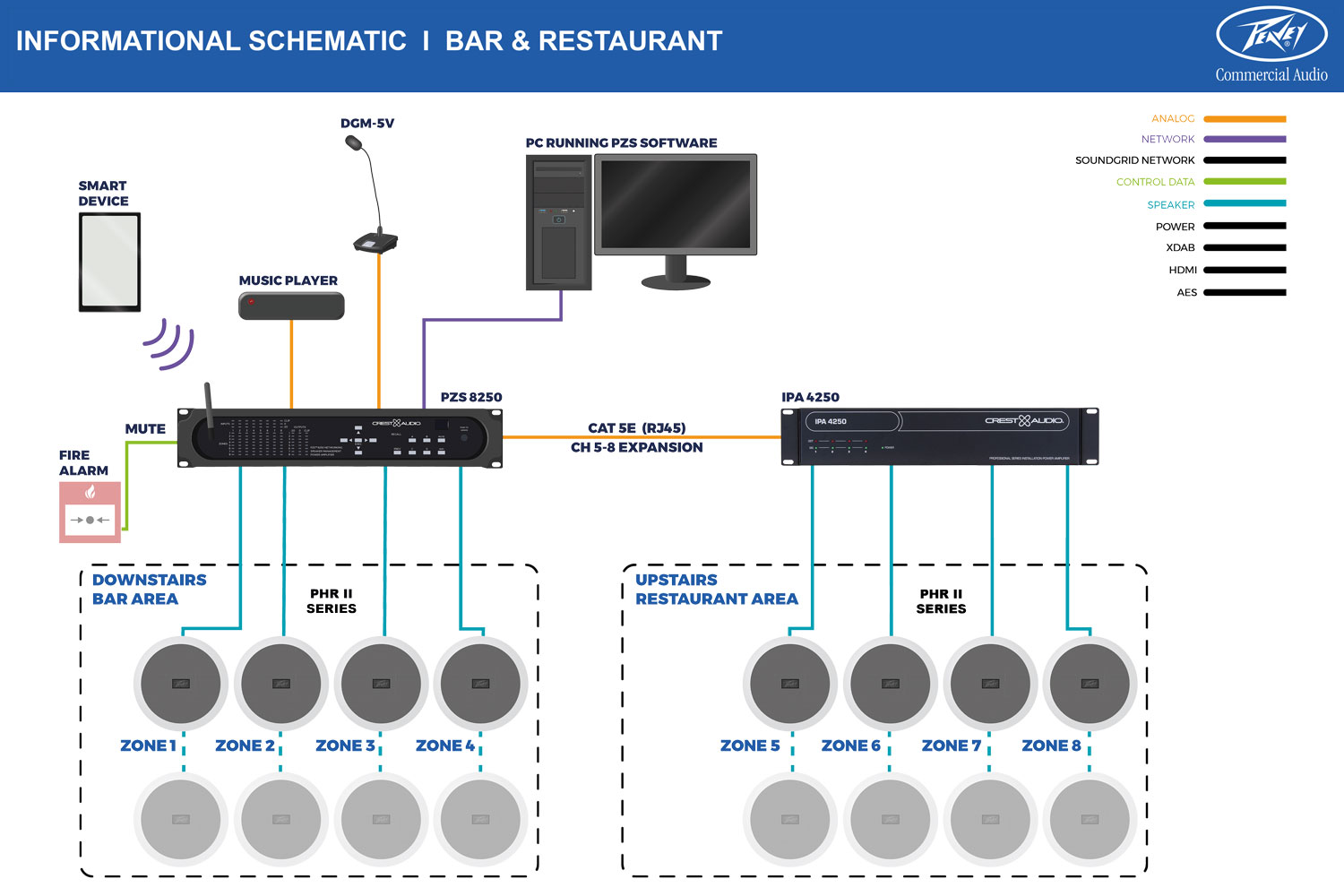
User-friendly solutions depend on user-friendly interfaces and simple navigation. When team members can easily manage calls, switch between screen views, or present materials without problems, discussions proceed more efficiently. Instruction and guidance are essential, as even the most modern solutions will struggle if users are unsure about their use. Businesses often establish standard operating procedures for telepresence meetings, describing optimal procedures for initiating calls, sharing content, and facilitating contributions from all team members. These guidelines promote effective collaboration and minimize disruptions during collaborative sessions.
Synchronization with other collaboration tools improves remote platforms in discussion areas. For instance, synchronizing telepresence platforms with project management software, online storage, or collaboration software permits teams to get information and synchronize data instantly. Team tools like cooperative boards, real-time feedback, and real-time communication enhance team engagement, ensuring that remote and in-person participants contribute equally in discussions. These integrations enhance workflow efficiency, limit duplication, and help maintain alignment among participants, no matter their site.
In conclusion, this article companies that invest in advanced telepresence solutions obtain measurable improvements in both teamwork and engagement. Groups report greater contentment, accelerated problem-solving, and better project outcomes when interaction is seamless and participatory. By combining modern systems, thoughtful conference room design, user-friendly operation, and strategic integrations, organizations build an space where attendees are engaged, knowledgeable, and motivated to contribute. Eventually, these improvements result in stronger team cohesion, increased creativity, click over here and a more collaborative environment overall.